
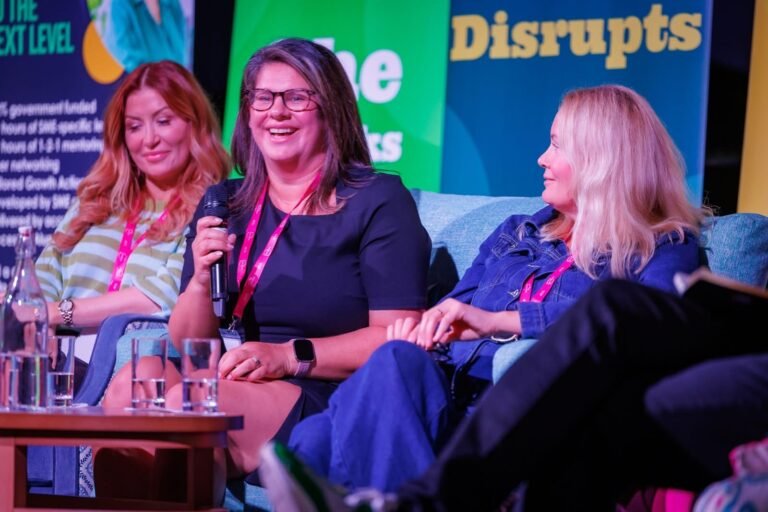
1. Career beginnings: You started your career in asbestos management before progressing into senior operational and compliance roles. How did you first get into the built environment, and what initially attracted you to the industry?
I fell into the built environment rather than having some grand career plan from the outset! I started out in asbestos management, which gave me an early understanding of the very real impact buildings can have on people’s lives and, more importantly, their safety.
From there, my career developed into senior operational, compliance and leadership roles. I found myself increasingly drawn to the bigger picture: how the industry operates, how decisions are made, and how we can make things better for both the people working within it and the people relying on us to get things right.
I’ve always been someone who asks questions, challenges things that don’t feel right and believes there’s usually a better way of doing something. That has probably helped me progress, although it hasn’t always made me the easiest person to manage!
Asbestos management also made the importance of getting things right very personal to me. My dad died from asbestos-related lung cancer in 2011, so I’ve seen first-hand that building safety isn’t just about regulations, paperwork or ticking boxes. There are real people and families behind every decision we make.
That’s stayed with me throughout my career and is a huge part of why I do what I do today. For me, compliance has to mean something. It’s about protecting people, doing the right thing even when it’s difficult, and having the integrity to challenge the status quo when it needs challenging.
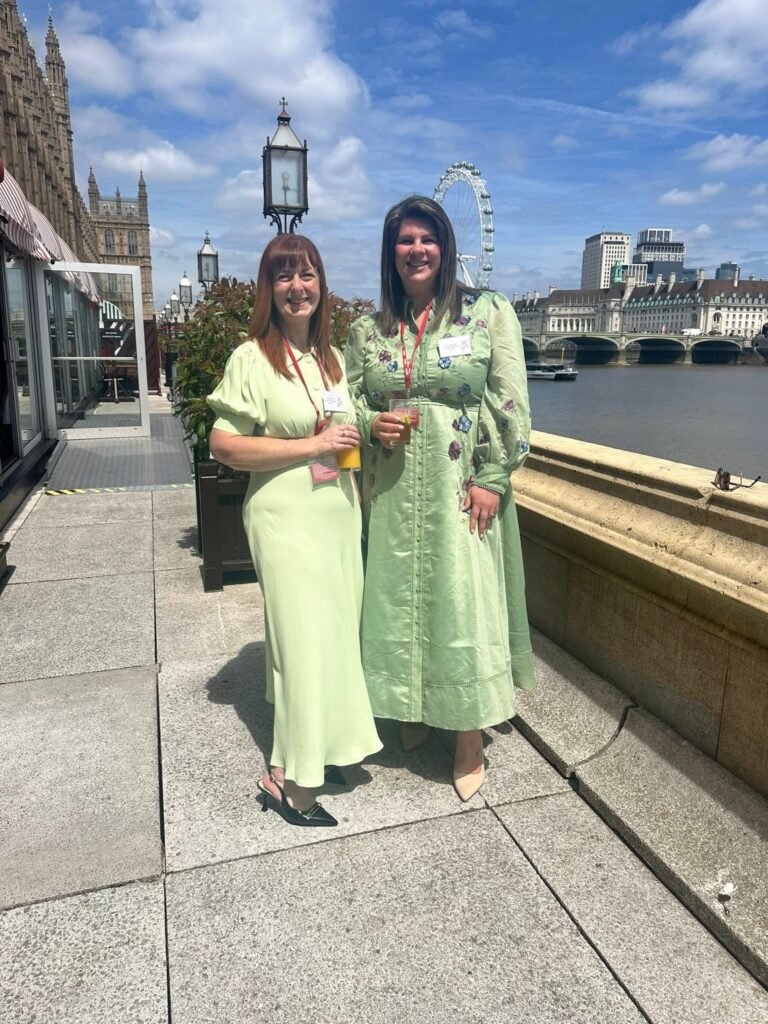
2. Moving into building control: Your career has spanned asbestos management, operations, risk and compliance. What led you into building control, and how did your previous experience prepare you for this next step?
For me, moving into building control felt like a natural progression because it brought together so many aspects of my previous experience: safety, risk, compliance, operational delivery and, ultimately, protecting people.
My background in asbestos management gave me a real appreciation of the consequences when building safety goes wrong. As I moved into operational and senior compliance roles, I developed a much broader understanding of how organisations work, how decisions affect outcomes and how important strong governance and accountability are.
I also learned that having regulations and procedures in place is one thing; making sure they are followed in practice is something entirely different. You can have the best policies in the world, but if the culture, leadership and accountability aren’t there, they mean very little.
That understanding really shaped my approach to building control. I could see how important the function was, but also how much opportunity there was to do things differently, challenge traditional ways of working and put greater emphasis on quality, transparency and people.
My previous experience gave me the confidence to look beyond the technical side and understand the wider business, regulatory and cultural challenges facing the industry. Building control isn’t just about plans, inspections and certificates. It’s about professional judgement, managing risk, asking difficult questions and having the courage to stand by your decisions.
That last part is particularly important to me. I’ve never been someone who is comfortable doing something simply because it’s always been done that way.
Ultimately, my journey into building control helped bring everything together. It gave me an opportunity to combine my passion for compliance and safety with my belief that the industry needed to do better. That belief eventually became a big part of the reason we founded Restore Compliance.
I wanted to build something that demonstrated what good building control could look like: technically robust, commercially sustainable, integrity-driven and, above all, built around protecting people rather than simply ticking boxes.
3. Career progression: You progressed from technical and project-based roles into director-level positions in a relatively short space of time. What do you think has been the biggest factor in your career progression?
I think the biggest factor has been my willingness to take responsibility, challenge things and back myself, even when I haven’t necessarily felt ready or had all the answers.
I’ve never been someone who sits comfortably in the background and waits to be told what to do. If I can see a problem, I want to understand it, find a solution and make things better. That mindset has sometimes made life difficult, because I’m not particularly good at keeping my mouth shut when I think something isn’t right! But it’s also been a huge driver of my progression.
I’ve always been willing to learn, take on challenges outside my comfort zone and understand the bigger picture, rather than just focus on the job in front of me. My technical experience gave me the foundations, but understanding people, operations, risk, commercial pressures and leadership helped me move into director-level roles.
I also think I’ve been fortunate to learn from different people and experiences, including the difficult ones. Not every experience has been positive, but they’ve taught me a huge amount about the type of leader I want to be and, just as importantly, the type I don’t want to be.
I’m a big believer that leadership isn’t about having the loudest voice in the room or the biggest job title. It’s about having the courage to make decisions, being accountable when things go wrong, listening to people who know more than you and creating an environment where others can succeed.
I’d be lying if I said imposter syndrome hasn’t played a part along the way. Even now, running my own building control business, there are moments when I question whether I’m good enough. The difference is that I’ve learned not to let that stop me.
Founding Restore Compliance has probably been the biggest test of that. Going from working within established organisations to building something from scratch has forced me to trust my judgement, take calculated risks and learn at a pace I never thought possible.
Ultimately, I don’t think career progression is just about how quickly you climb the ladder. It’s about what you learn along the way, the integrity you maintain when things get difficult and the impact you have on the people around you. I’ve always wanted to prove that you can be commercially ambitious, challenge the status quo and still put people and doing the right thing first.
4. Taking the leap: In March 2025, you co-founded Restore Compliance Ltd. What inspired you to start your own business, and what were the biggest challenges you faced in turning that ambition into reality?
Restore Compliance was born out of frustration, ambition and a genuine belief that we could do things differently.
Having spent years working in building control, operations and compliance, I’d seen the industry from different angles. I knew how important the work was, but I also knew there were things that needed to change.
The honest truth is that I didn’t leave my previous role because I’d always dreamed of running my own business. I left because I reached a point where I couldn’t sit back and accept how things were being run. My integrity wouldn’t allow me to stay quiet, and anyone who knows me will tell you that keeping my mouth shut when I believe something isn’t right has never been one of my strengths!
Sometimes, circumstances force you to make a choice: stay somewhere that doesn’t align with your values, or take a risk and do something different.
Jen Barrett and I co-founded Restore Compliance in March 2025 because we believed we could build something better. We wanted to create a business that put technical excellence, integrity and people at the heart of everything it did. A business where compliance wasn’t just a tick-box exercise, where people were supported to do the right thing and where commercial success didn’t come at the expense of professional standards.
We started with one laptop, a lot of determination and probably a healthy dose of blind optimism! We didn’t have a huge corporate infrastructure behind us. We had our experience, our relationships and a clear vision of the business we wanted to create.
The biggest challenge was turning that vision into a sustainable reality. Being good at your job and running a business are two very different things. Suddenly, you’re responsible for winning work, managing cash flow, building systems, recruiting the right people, managing risk and making decisions that affect not just you, but your entire team.
There were plenty of moments of self-doubt, and there still are. Leaving the security of an established role to build something from scratch is daunting, particularly when you’re putting your own money, reputation and future on the line. But one of the most important things I’ve learned is that you shouldn’t have to compromise your integrity to progress in your career. You might have to make difficult decisions, have uncomfortable conversations or walk away from opportunities, but you should never have to lose sight of who you are to succeed.
We’re still growing, still learning and still finding our feet in plenty of areas. But we’ve built a team and a business that I genuinely believe in, and that means more to me than any job title ever could.
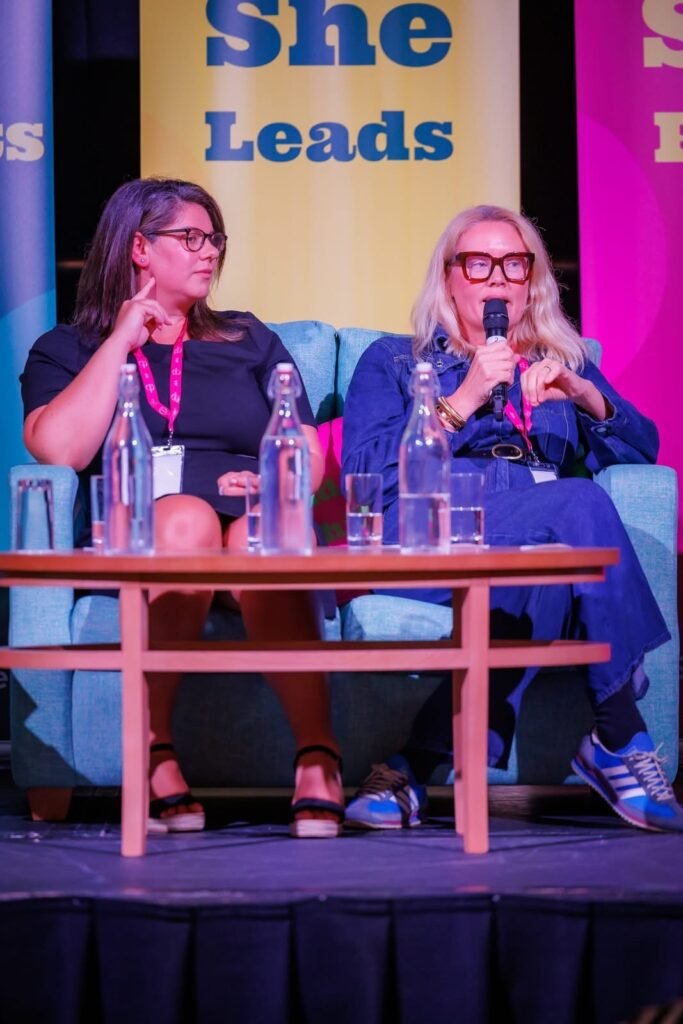
5. Building a business: As co-owner of a Registered Building Control Approver, what have been the biggest lessons you’ve learnt about establishing a business in such a highly regulated industry?
The biggest lesson behind Restore that is far more personal: integrity means nothing if you’re not prepared to stand by it when it becomes uncomfortable.
My decision to leave my previous role was driven by concerns about how things were being run. I found myself in a position where I felt I had to speak up, and my integrity simply wouldn’t allow me to stay quiet. I raised concerns because I believed they needed to be raised, even though I knew there could be consequences. Ultimately, I had to walk away.
That experience fundamentally shaped why Restore exists. I didn’t set out to build a business because I was unhappy in a job; I set out to build something where I could put my values into practice. I wanted to create a business where people could raise concerns, challenge decisions and do the right thing without feeling that their integrity or career had to be put on the line.
Whistleblowing can be incredibly difficult. We talk about the importance of speaking up, but we don’t always talk about what happens to the person who actually does it. It can be isolating, professionally challenging and personally exhausting. I’ve learned that having the courage to raise concerns doesn’t necessarily mean you’ll get the outcome you hoped for, but staying silent when you genuinely believe something is wrong can come at a cost too.
That experience has made me even more determined that Restore should be a business where accountability starts at the top. It’s not enough to have policies, procedures and a whistleblowing process written into a handbook. Leaders have to demonstrate that they are willing to listen, investigate concerns properly and take action when something isn’t right. Otherwise, those policies are just words on a page.
In a highly regulated industry, you cannot afford to treat compliance as something you sort out once the business is up and running. It has to be built into the foundations from day one. Your processes, recruitment, training, record keeping and decision-making all need to stand up to scrutiny. We are dealing with public safety, and that responsibility has to sit behind every commercial decision we make.
Perhaps the biggest lesson of all is that integrity has to be more than a statement on your website. It’s easy to talk about doing the right thing when everything is going well. The real test comes when doing the right thing is commercially difficult, uncomfortable or unpopular.
Restore was built from a moment when I had to choose between staying comfortable and staying true to my values. I want it to be proof that you can take a difficult experience and use it to create something positive.
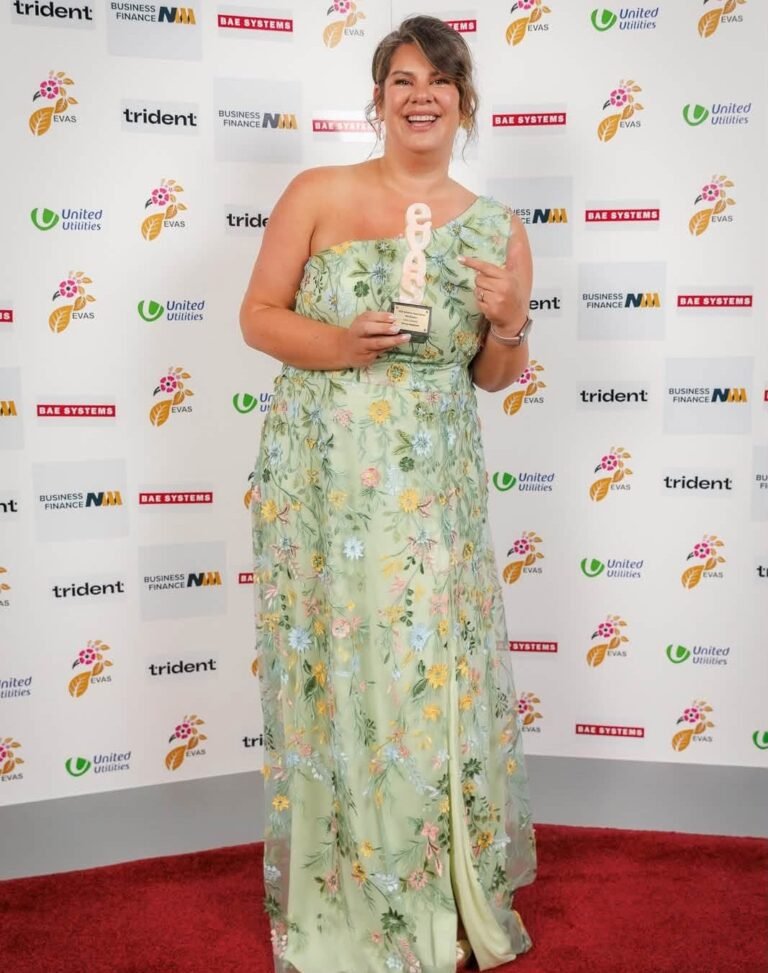
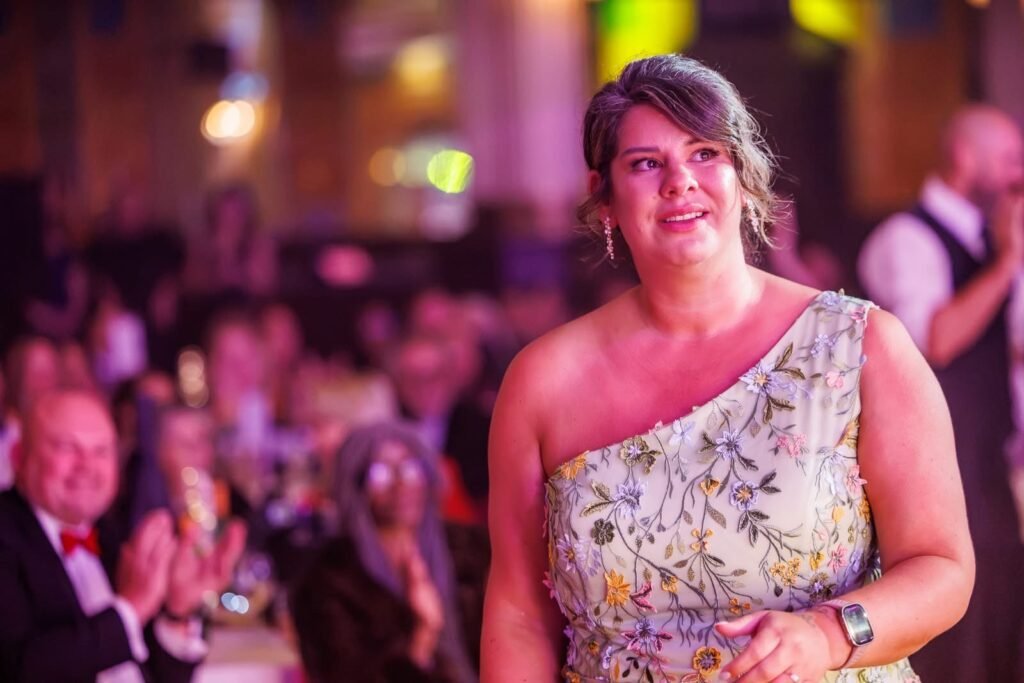
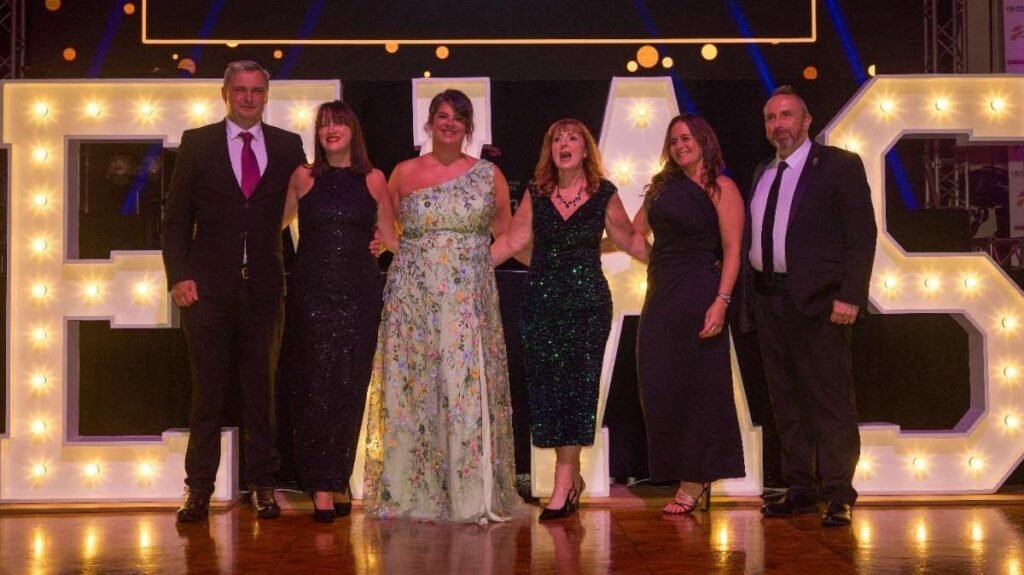
6. Award-winning success: You recently won the 2026 EVAS New Business Award. What did winning mean to you personally, and what do you think sets Restore Compliance apart from others in the industry?
Restore was built from one laptop, a lot of determination and a belief that we could do things differently. There was a point when I had to walk away from a role because I couldn’t compromise my integrity, so to build something from that experience and have it recognised in this way was incredibly emotional.
I think what sets Restore apart is that we’re not just building a building control business; we’re building a business around integrity, people and doing the right thing. We want to challenge the perception that compliance is simply a tick-box exercise and demonstrate that you can be commercially ambitious without compromising safety or professional standards.
We’re growing quickly, but we want to do it the right way, investing in our people, maintaining high standards and putting clients and building safety first.
For me, success isn’t just about turnover or winning awards. It’s about building a business I’m proud of, creating opportunities for others and proving that you don’t have to compromise who you are to succeed.
7. The reality of entrepreneurship: What’s been the most unexpected part of running your own business, and is there anything you wish you’d known before taking the leap?
The most unexpected part has been just how much of yourself you have to put into it. You think about the business constantly, carry the responsibility for your team and feel every win and every setback personally. There’s no switch-off button, and being the boss doesn’t mean you suddenly stop questioning yourself!
I also don’t think anyone really prepares you for the emotional side of entrepreneurship. You can go from feeling like you’ve absolutely nailed it to wondering what on earth you’re doing, sometimes in the same day! Imposter syndrome is real, and even when the numbers are good and the business is growing, you can still question whether you’re doing enough.
I wish I’d known that you don’t need to have everything figured out before you start. You learn as you go, make mistakes and adapt. You also quickly realise that being technically good at what you do is only one part of running a successful business; understanding cash flow, recruitment, commercial risk and leadership is a whole different ball game.
But above all, I’ve learned that backing yourself is essential. Leaving my previous role because I couldn’t compromise my integrity was daunting, but it ultimately led to creating Restore with Jen.
It’s not always easy, and it certainly isn’t as glamorous as people might think, but building something that reflects your values and creating a team you’re proud of makes it worthwhile. My advice would be: don’t wait until you’re fearless or feel completely ready. Believe in what you’re building, surround yourself with good people and be prepared to learn an awful lot along the way.
8. The future of building control: With building safety and regulatory compliance continuing to evolve, what do you see as the biggest opportunities and challenges facing the building control sector over the next few years?
I think the biggest opportunity is to rebuild trust in building control and demonstrate that compliance is about so much more than ticking boxes. The regulatory landscape is evolving, and that gives the sector an opportunity to raise standards, improve accountability and put building safety at the heart of every decision.
One of the biggest challenges will be having the right people, skills and resources to deliver on those expectations. We need to attract new talent into the industry, invest in training and create clear career pathways, particularly for the next generation of building control professionals. If we don’t address that now, we’re going to struggle to meet future demand.
Technology also presents a huge opportunity. Better systems, smarter data management and more effective collaboration can improve efficiency and consistency, but technology must support professional judgement rather than replace it.
I also think the industry needs to move away from seeing building control as a barrier to development. Good building control should support compliant projects, provide clear advice and identify risks early, helping clients get things right from the outset rather than dealing with problems further down the line.
For me, the biggest challenge is ensuring that commercial pressures never overshadow public safety. Regulation can change, but integrity and accountability must remain constant.
At Restore, we want to be part of that change by investing in our people, challenging traditional ways of working and demonstrating that a commercially successful business can still put safety and professional standards first.
Ultimately, the future of building control depends on the people delivering it. We have an opportunity to create a more trusted, skilled and forward-thinking sector, but that will only happen if we’re prepared to challenge ourselves and do things differently.
9. Women in the industry: Building control and the wider built environment have traditionally been male-dominated sectors. What has your experience been as a woman progressing into senior leadership and business ownership, and what needs to change to encourage more women into the industry?
My experience has taught me that you sometimes have to be prepared to take up space in rooms where people might not expect you to. I’ve worked hard to get where I am, and I’ve never wanted my gender to define my career, but I would be lying if I said being a woman in a traditionally male-dominated industry hasn’t brought its challenges.
But I’ve learned that you shouldn’t have to change your personality or compromise your values to be taken seriously. You have to know your worth, trust your experience and be prepared to back yourself, even when self-doubt creeps in.
I think the biggest change needed is visibility and opportunity. We need to show young women that building control and the wider built environment offer rewarding careers, with opportunities in technical roles, leadership, compliance and business ownership. That means better careers outreach, mentoring, training pathways and visible female role models who are honest about both the challenges and the opportunities.
We also need to look at workplace culture. Creating inclusive environments where people feel respected, supported and able to progress is everyone’s responsibility, not just something for women to champion.
I want them to feel they belong, that their voices matter and that there are no limits on how far they can go. And that change needs men to be part of the conversation, too.
We don’t need to make the industry less demanding; we need to make it more inclusive, so the best people have the opportunity to succeed.
10. Looking ahead: Having built an impressive career and now established your own business, what’s next for you and Restore Compliance? What ambitions are you working towards?
For me, the ambition is to grow Restore into a business that makes a genuine difference to the building control sector, without losing the values we started with.
Our focus now is sustainable growth, developing our team and continuing to build a reputation for technical excellence, integrity and doing things differently.
I’m particularly passionate about developing the next generation of building control professionals. We need to bring new talent into the industry, create meaningful career pathways and invest in training. We’re looking at how we can expand our training offering and work collaboratively with others to help address the skills gap.
I also want to develop our advisory services, supporting clients with complex projects and helping them understand compliance earlier in the process, rather than treating building control as a final hurdle.
Personally, I want to continue challenging the status quo and showing that you can build a commercially successful business without compromising your principles. Winning the EVAS New Business Award was a brilliant milestone, but the real measure of success will be what we build over the next five or ten years.
Ultimately, I want Restore to be known not just for the work we deliver, but for how we deliver it, how we treat our people and the standards we uphold.
We started with one laptop and a belief that things could be done better. The ambition now is to turn that belief into a lasting business that creates opportunities, supports safer buildings and helps shape a better future for the industry. And if we can have a bit of fun along the way, even better!